Designing a Home Together: When Interiors Become a Relationship Test
Redesigning a home is an exciting milestone, but for couples it can also be surprisingly challenging. Big decisions, emotional investment and significant financial commitment all tend to collide at once - and it’s no wonder that stress (and the odd disagreement) can creep in.
Over the years, I’ve found myself gently playing the role of mediator as much as designer. As a neutral third party with an objective eye, I often help couples navigate differing priorities, tastes and ways of living. The good news? With the right approach, what could feel like a minefield can become a genuinely collaborative and even enjoyable process.

Start with a shared vision
Before getting into the details, it’s important to establish a sense of shared direction. This doesn’t mean you have to agree on everything from day one, but it does help to define what you want your home to feel like and how you want it to function.
Mood-boarding and reviewing inspirational images together is a powerful way to uncover what resonates with each person - and why. Often, couples are surprised by how much overlap there actually is. This process moves the conversation away from “I like this / I hate that” towards a more constructive discussion about atmosphere, comfort, flow and lifestyle. The result is a design direction that feels intentional, personal and built to last, rather than driven by short-lived trends.
Find common ground through colour
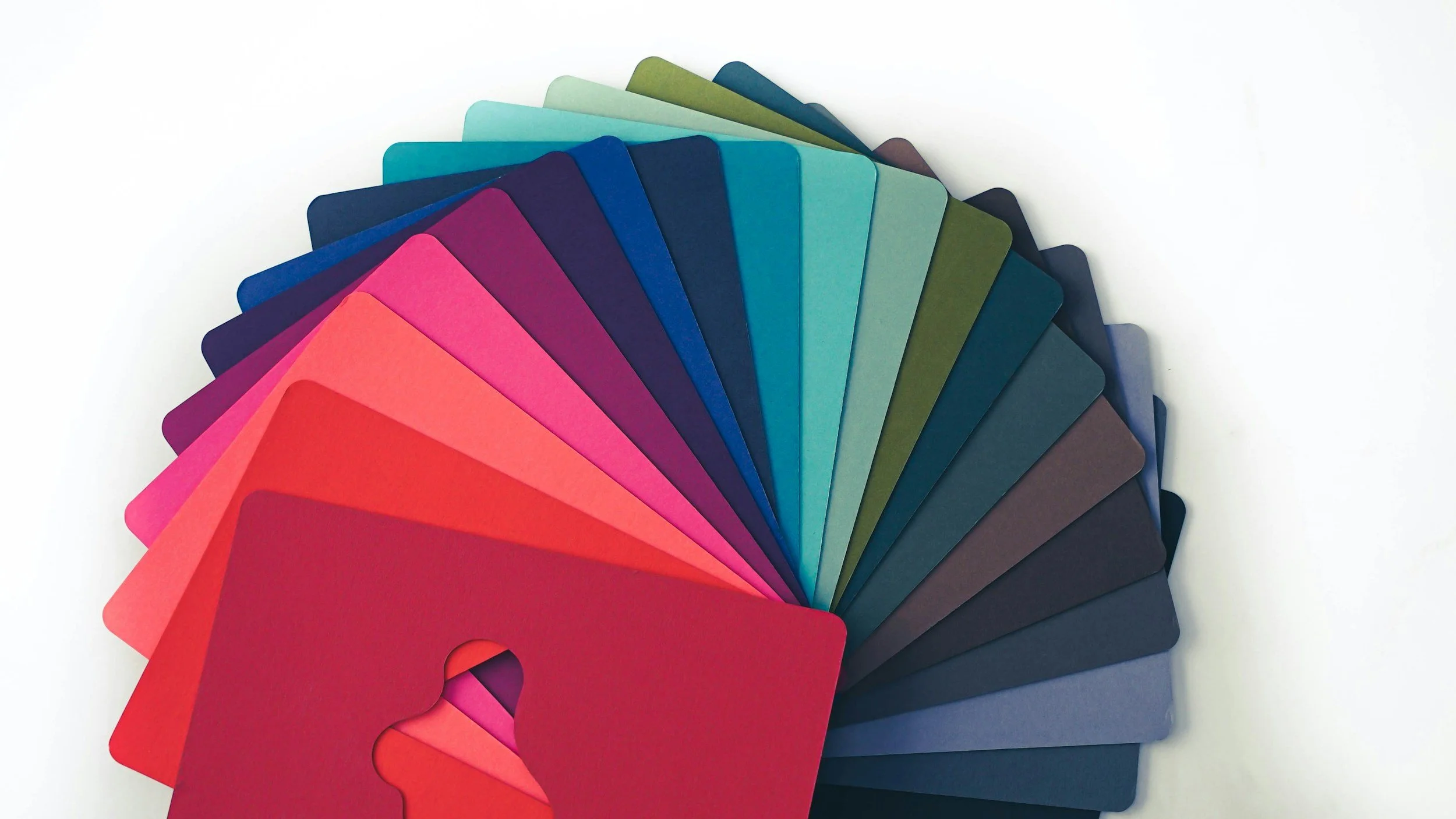
Colour can feel deeply personal, which is why it’s also one of the most emotive areas of design. That said, colour theory is a brilliant tool for finding common ground. Even when initial preferences differ, there is almost always overlap in undertones, warmth or mood.
Exploring palettes together helps couples see how different colours interact, and how small shifts can change the feel of a space. Compromise doesn’t have to mean watering things down - when done well, a shared colour scheme can feel energising, considered and truly representative of both people.
Balance comfort and style in key pieces
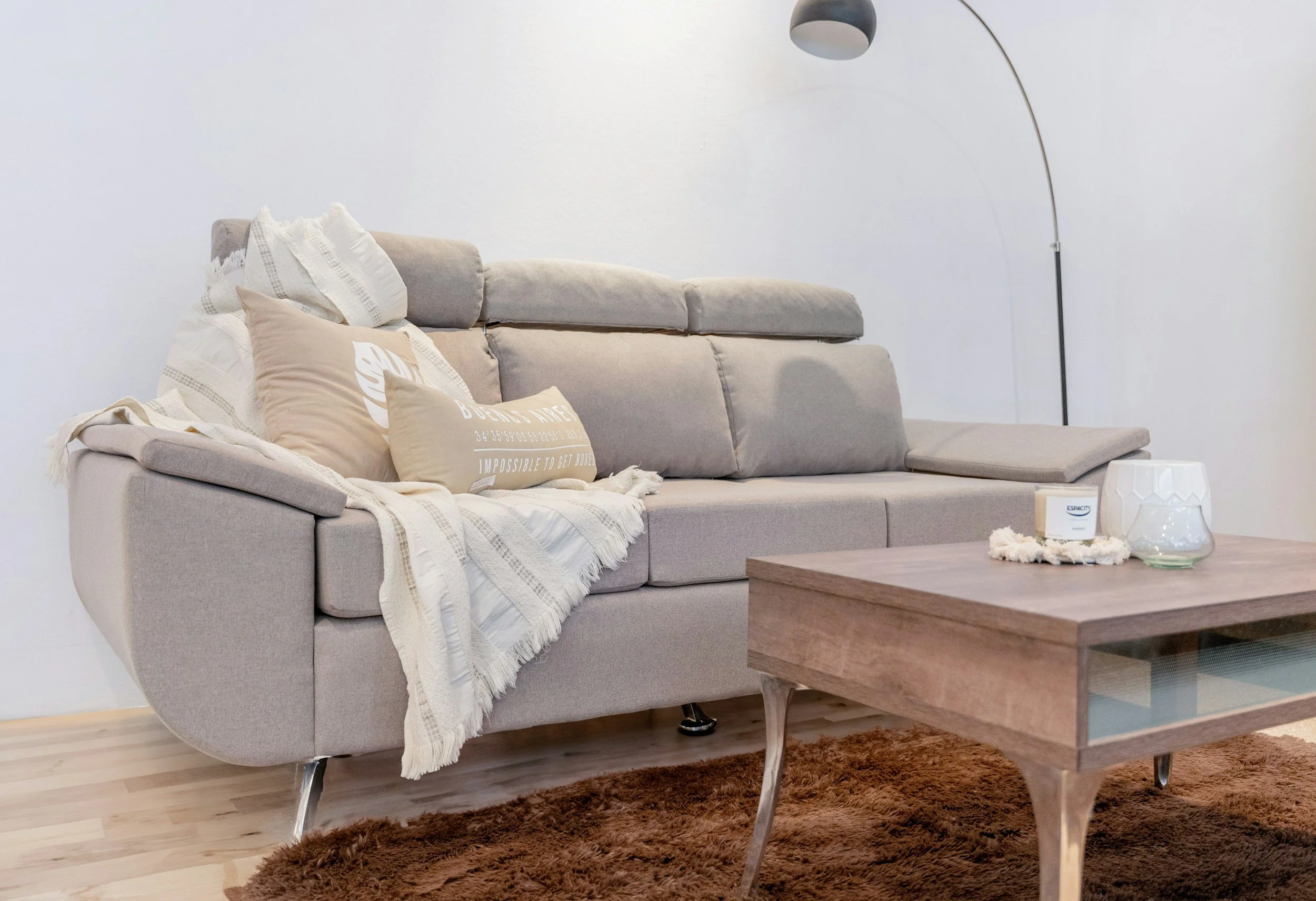
Some design decisions carry more emotional weight than others, and sofas are a perfect example. They’re not just a visual anchor for a room - they’re where you unwind, host friends, nap, stretch out or curl up.
Comfort is deeply individual: height, posture and personal habits all come into play. The most successful solutions tend to embrace flexibility. Modular seating, the addition of ottomans, or pairing a main sofa with a cosy accent chair can allow different preferences to coexist without compromising on the overall aesthetic. Good design doesn’t force one person’s comfort over another’s - it finds a way to accommodate both.

Keep it light and enjoy the process
Finally, it’s worth remembering that designing your home should be enjoyable. Yes, it’s an investment of time, money and emotional energy - but it’s also a rare opportunity to shape the environment you’ll share together.
Approaching the process with openness, curiosity and a sense of humour can make a huge difference. When both people feel heard and involved, the journey becomes as meaningful as the end result. And more often than not, the home that emerges is richer for having been shaped by two perspectives rather than one.