Buy Now or Wait? A Practical Guide to Smarter Purchasing in Your Interior Project
With costs continuing to rise across the construction and interiors industry, many homeowners are understandably concerned about future price increases. I often have clients asking me: “Should I buy now before prices go up?”
While it can feel sensible to secure items early in your renovation project, price alone should not drive purchasing decisions. The real consideration is whether you are buying at the right stage of your project, with enough certainty in both design and timing.
Five questions to ask yourself before buying early
Before making any purchase, it helps to pause and assess the decision in context. These questions can help clarify whether it is the right time to commit:
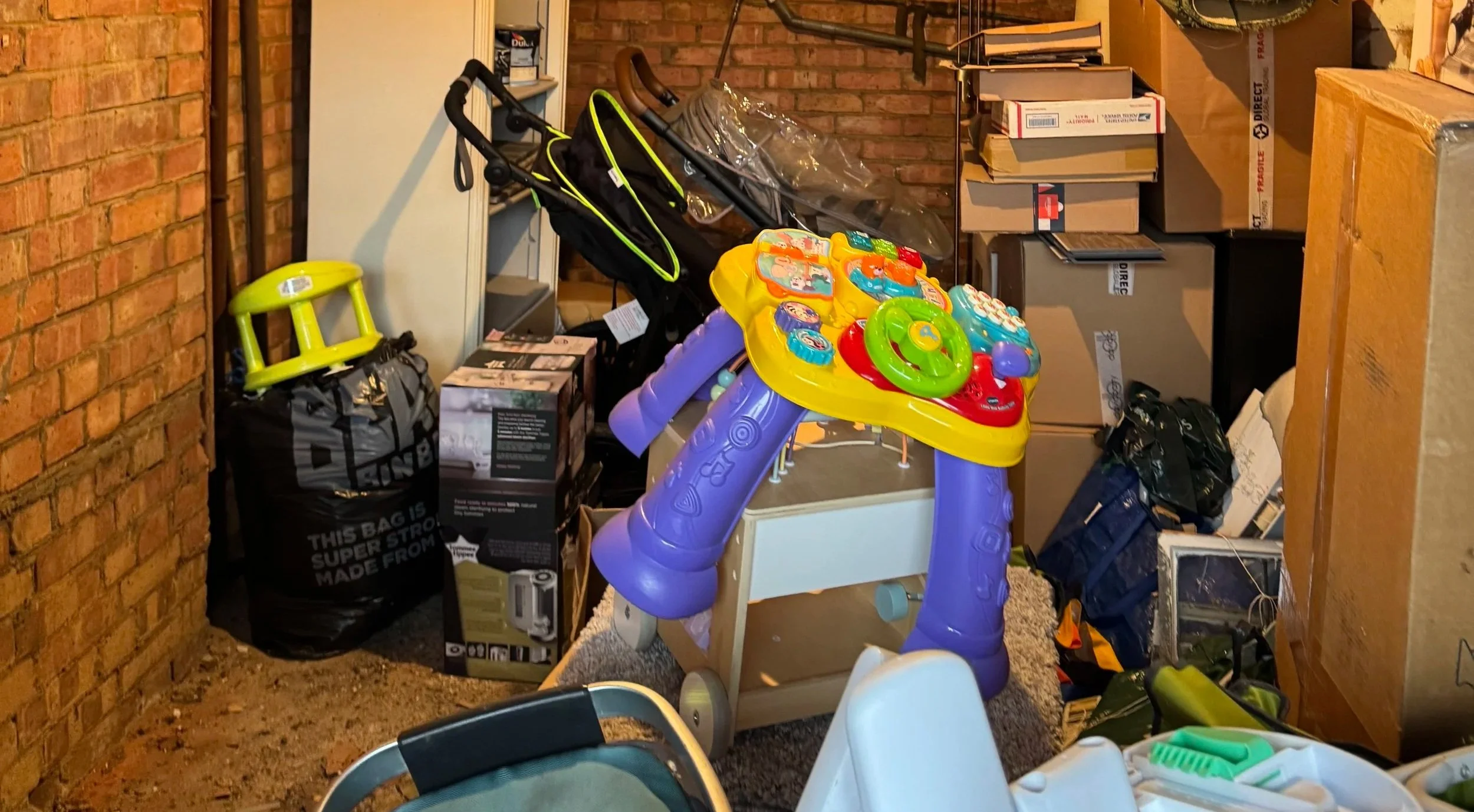
1. Do I have suitable storage available?
Items such as furniture, lighting, and fittings often need to be stored for extended periods. Without proper storage, there is a risk of damage that can remove any cost benefit.
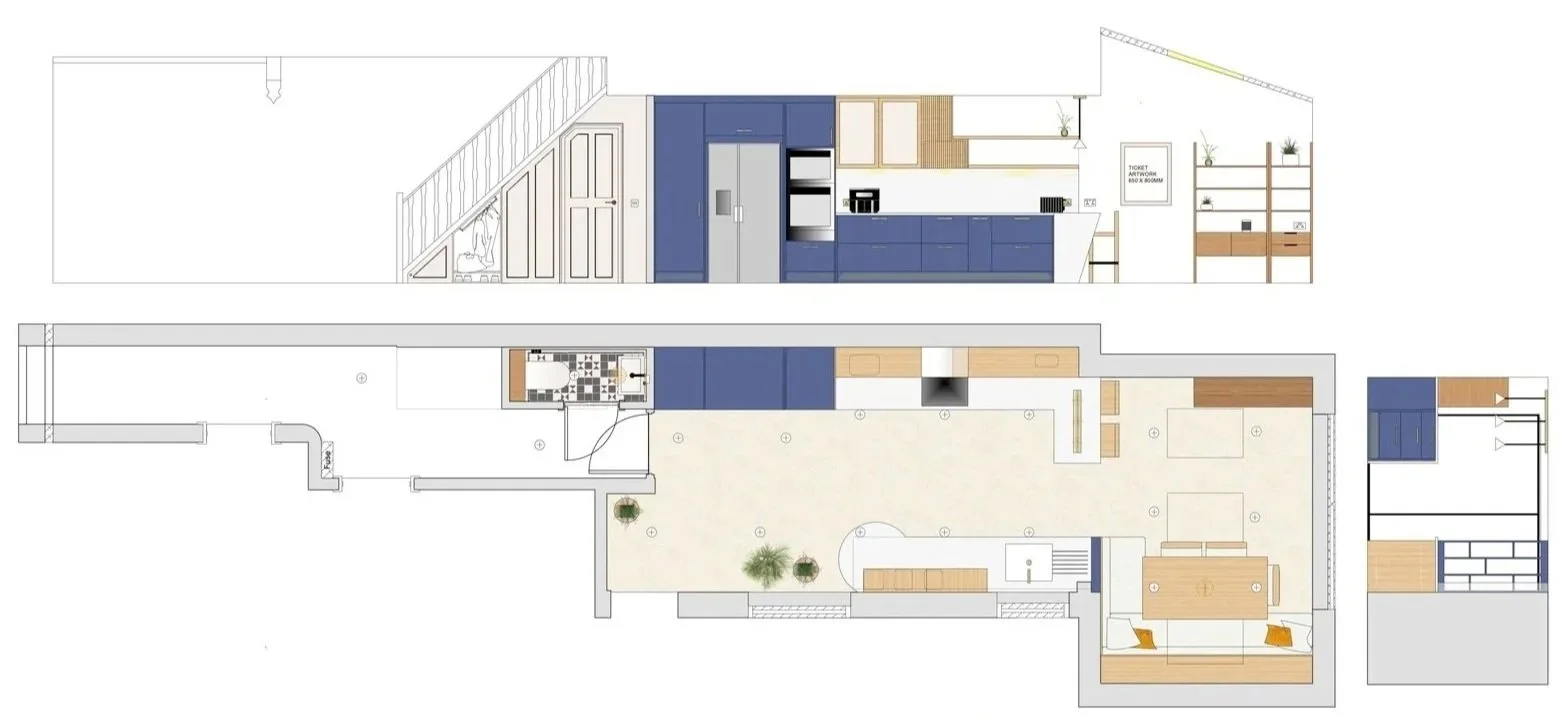
2. Am I confident the design will not change?
Projects evolve as they progress. Layouts, finishes, and proportions can all shift, meaning an early purchase may no longer suit the final schem
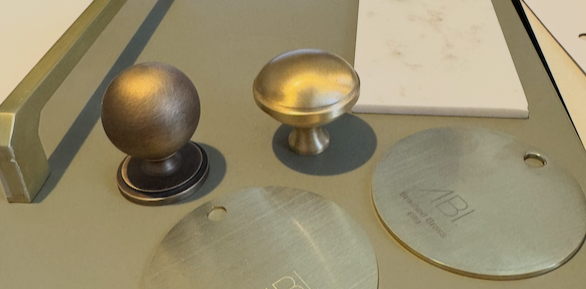
3. Is this item genuinely difficult to replace?
Whatever it is, the way you tell your story online can make all the difference.

4. When will this actually be needed on-site?
Whatever it is, the way you tell your story online can make all the difference.
5. Am I making this decision based on timing or pressure?
Whatever it is, the way you tell your story online can make all the difference.
How to decide whether to buy now or wait
Once you have reflected on these questions, the next step is to apply a clear set of decision rules.
Only purchase early if you have somewhere safe to store items and are confident they will remain suitable as the design develops. Otherwise, waiting is often the more practical option.
Materials such as tiles, flooring, and wall coverings should only be ordered once measurements and design details are fully confirmed, as quantities often change during construction.
In most cases, it is better to align purchases with the actual build programme rather than reacting to price changes. This helps avoid unnecessary storage issues, duplication, or costly revisions.
When early buying is justified
There are exceptions. Early purchasing can make sense when an item is rare, has limited availability, or is being offered at a genuinely strong price that outweighs the risks of storage and change. If you are using a storage facility to procure, check and itemise your purchases, then this makes the decision to buy early a lot easier.
The key is intention. Early buying should be a considered decision, not a reaction to pressure.
Professional perspective
Interior projects are constantly changing. Availability, completion times, and design details often change as work progresses, meaning purchasing decisions should be viewed as part of a wider timeline rather than isolated moments.
A structured approach helps ensure decisions are not driven purely by short-term cost concerns. Instead, they should be assessed against how the project is evolving overall.
My role as an interior designer is to provide this wider perspective. By stepping back from the immediate pressure of rising costs, it becomes easier to judge whether buying now adds real value or whether waiting will allow for more flexibility and better long-term results.
This keeps decisions aligned with the overall design intent rather than short-term pricing or availability shifts.
Final thoughts
There is no single answer to whether you should buy now or wait. While rising prices can make early purchasing feel like the safest option, cost should never be the only factor driving a decision.
The most effective approach is to balance timing, suitability, and project progression. In some cases, buying early will protect the budget and secure the right product. In others, waiting will offer greater flexibility and reduce the risk of costly changes later on.
Ultimately, the goal is not to avoid price increases but to make well-timed, well-informed decisions that support the overall success of the project.