Have you ever looked around your home and wondered whether it's time for a change? Perhaps you need more space, a better layout or somewhere that works for a new stage of family life. Your first thought might be to move house or embark on an extension. But before you put up the For Sale sign or call in a builder, have you considered what your existing home could offer?
With the rising cost of building materials, increasing labour costs and the ongoing pressure on household budgets, homeowners are having to think carefully about how best to invest in their homes.
Moving house comes with a range of costs, from estate agent and legal fees to removal expenses and potentially a significant stamp duty bill. Equally, extending or undertaking a major renovation is a considerable investment. So how do you decide which route makes the most sense?
For some, moving will be the right answer. For others, a carefully planned extension or a clever reworking of the existing space could deliver everything they need. The key is understanding the possibilities before committing to a particular route.
Understanding the potential of your home
One of the things I enjoy most about interior design is finding ways to make a space work better without necessarily making it bigger. Sometimes the answer isn't more square footage; it's a more considered approach to the space you already have.
That might mean rethinking the layout, improving storage, changing how rooms connect or finding clever ways to use otherwise wasted space. Small changes to the way a room is organised can make a surprisingly big difference to how it feels and functions.
I've worked on several projects where the original brief was centred around whether an extension was affordable, only to discover that there were other ways to achieve much of what the homeowners wanted.
The key is to understand what isn't working and what you actually need from your home before deciding what needs to change.
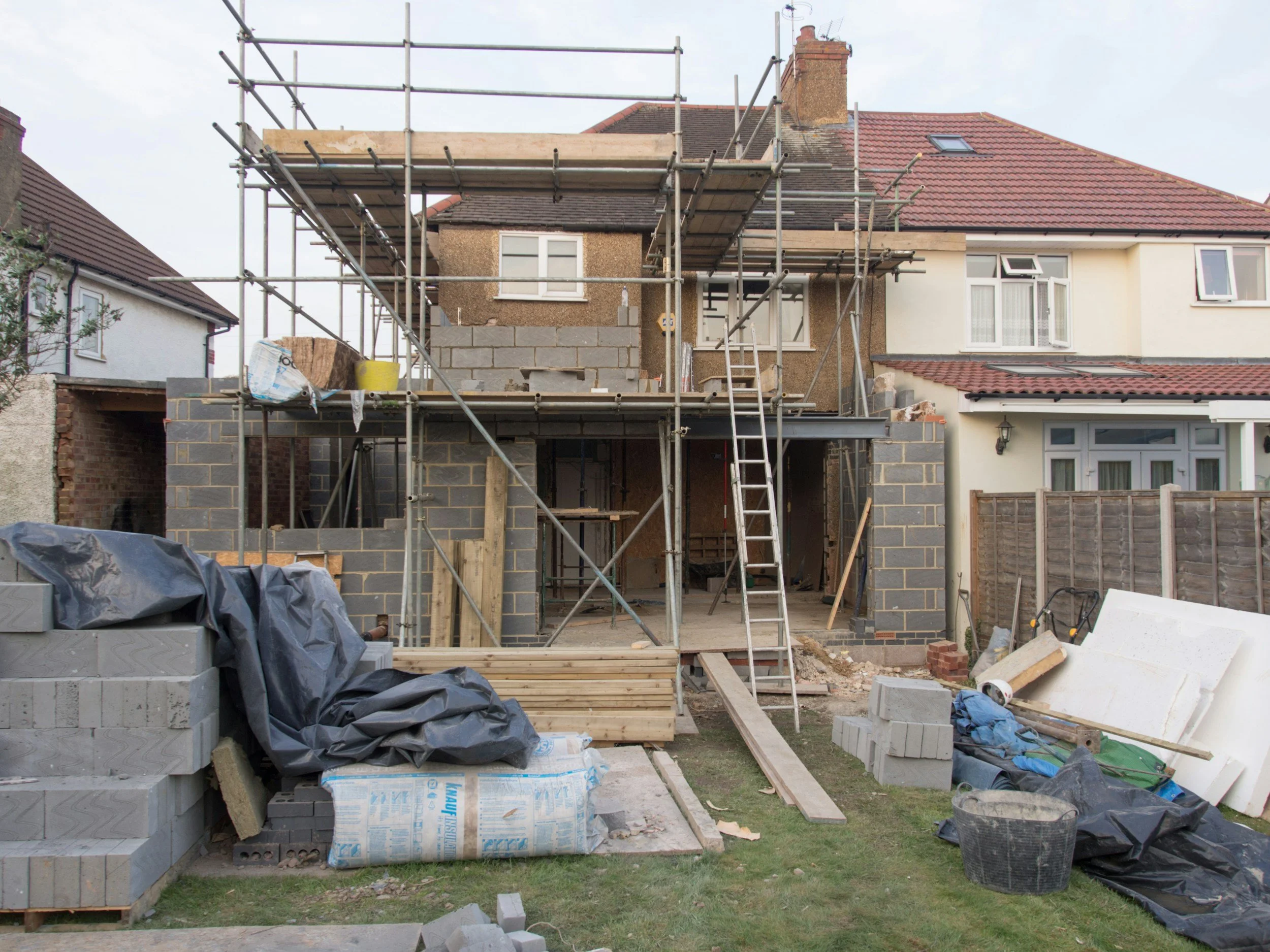
When extending isn't an option: making every inch count
A good example is a project I worked on in Tottenham. The family initially approached me wondering whether they could afford to extend their kitchen. They wanted more usable space and a kitchen that worked better for family life, but when we looked at the likely costs, it became clear that their budget wouldn't stretch to the extension they had envisaged.
Rather than simply accepting that they would have to make do with what they had, we explored whether we could achieve a better result within the existing footprint.
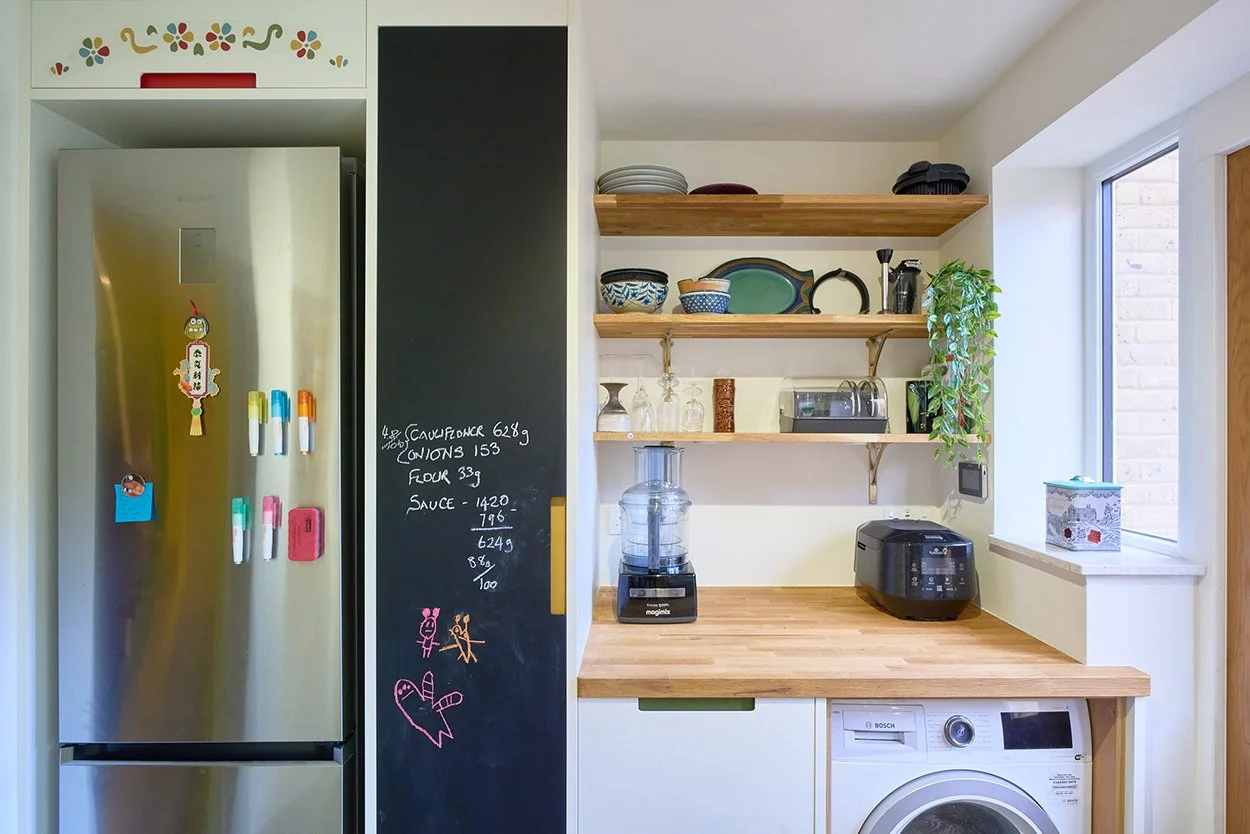
I came up with a middle-ground solution. By relocating the external door and changing the position of the entrance into the kitchen, we were able to create a more practical, semi-galley layout.
It was a relatively simple change in terms of the footprint, but it made a significant difference to how the kitchen worked. It allowed two people to cook and move around the space at the same time, something that had previously been difficult. We also found a proper home for their large fridge freezer and incorporated a small under-counter dishwasher.
By thinking carefully about the layout and making use of every available centimetre, we achieved a much more functional kitchen without the cost of extending.
It's a good example of why I always advocate looking at the bigger picture before committing to building work. Sometimes the best solution isn't the most obvious one.

Designing for the next chapter of life
Our homes need to evolve as we do. The things that work for a young family won't necessarily work when the children become teenagers, when they eventually leave home or when we start thinking about how we want to live in retirement.
Rather than viewing a home renovation as a one-off exercise, it's worth thinking about how your home can adapt as your circumstances and priorities change.
Recently, I helped an older client who had moved into a new flat that she wanted to make her forever home. She wanted to upgrade the bathroom and kitchen, but there were some important considerations beyond simply making them look beautiful.
In the bathroom, we wanted to create something elegant and contemporary while also making sure it would allow her to live safely and independently for as long as possible.
We incorporated a fully level-access walk-in shower, which was particularly important given the limited space available. We also considered how to introduce grab rails in a way that didn't make the bathroom feel clinical. By choosing carefully integrated fittings, these practical safety features could sit comfortably within the overall design.
The kitchen presented a different challenge. There wasn't the budget to extend, so we concentrated on getting the absolute maximum from the existing footprint. This meant looking at every available opportunity for storage and functionality, both vertically and horizontally, and considering how every corner and section of the kitchen could be put to better use.
The result was a home that could support her needs now and in the future, without the expense or disruption of moving walls or extending.
I think this is an increasingly important consideration. Good design isn't just about how a home looks today; it's about how well it will continue to serve you in the years ahead.
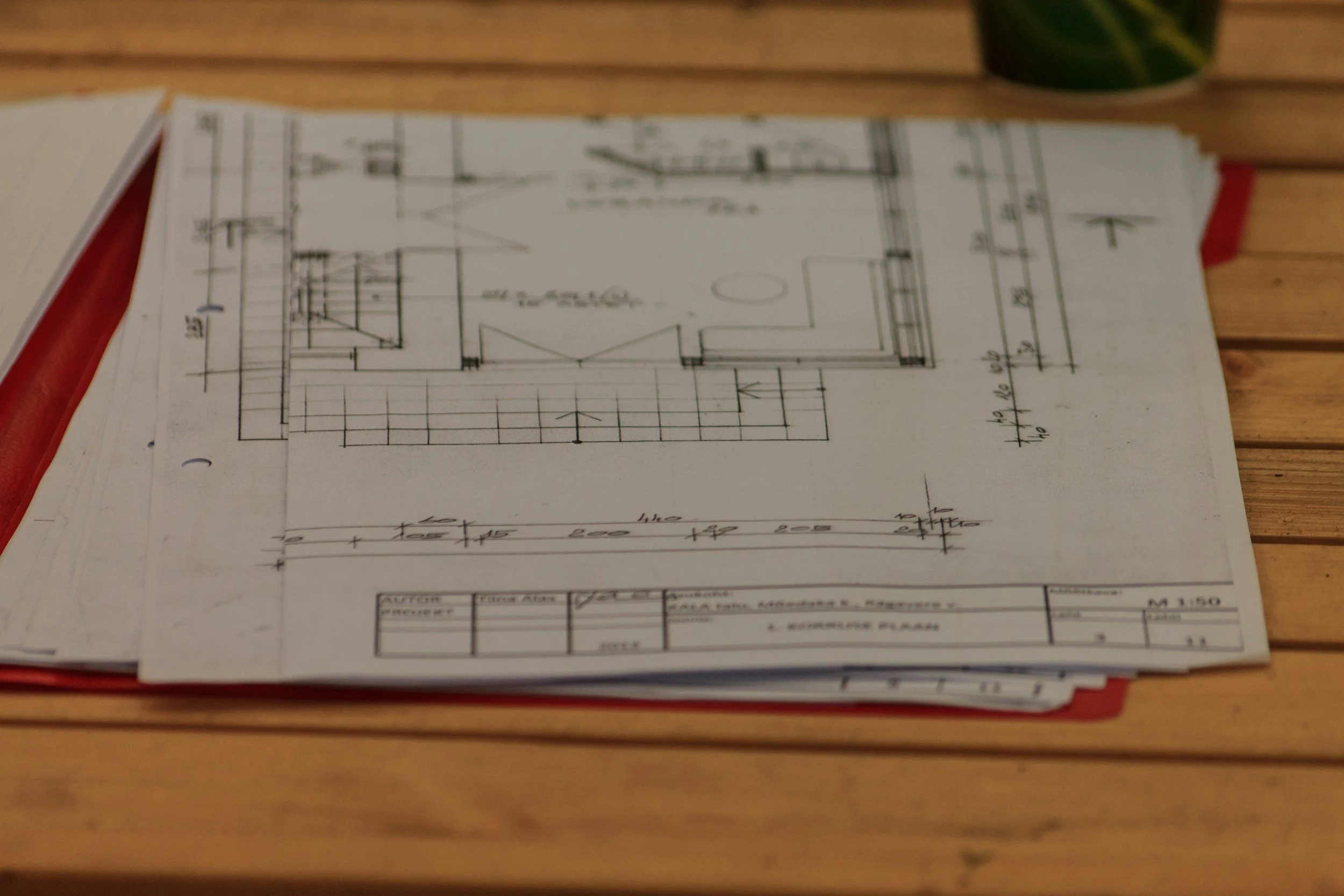
Extending your home, not necessarily your footprint
There is, of course, a place for extending. Sometimes the existing space genuinely cannot accommodate what a family needs, and building out or up is the right investment.
But before making that decision, it's worth asking a few questions:
Could a different layout make better use of the existing space?
Are there areas of the home that are underused or poorly connected?
Could better storage free up valuable living space?
Would moving a doorway, changing the position of a kitchen or rethinking the room arrangement make a difference?
Are you planning for how your needs might change over the next five or ten years?
If you can achieve what you need without extending, you could save a considerable amount of money and avoid some of the disruption that comes with a major building project.
And if you do decide to extend, having properly explored the existing space first means you are much more likely to invest in the right solution.
Making the right move for your home
There isn't one right answer. Every home, family and budget is different, and what works for one household may not work for another.
Sometimes moving is absolutely the right decision. You might need a different location, more space or a completely different type of property. But before committing to a move, it's worth understanding what your existing home could offer with a little imagination and some thoughtful planning.
Equally, if you are considering extending, it's worth exploring whether you could achieve what you need through a cleverer use of the existing space. You may find that a relatively modest investment in design can unlock potential you didn't realise was there.
At Debs Bespoke Interiors, I help homeowners explore these possibilities, make informed decisions and create homes that work for the way they live, both now and in the future.
Whether you're planning a move, considering an extension or looking to get more from your existing home, taking the time to explore your options can help you make the right investment.
The best home isn't necessarily a bigger one or a different one. It's the one that works best for you.